

Best Ways to Store Artisan Necklaces Without Tangles
Last Updated: November 19, 2026
Quick Summary
The best ways to store artisan necklaces start with fastening every clasp before a piece leaves your hand, since a closed loop cannot tangle with another chain. Then lay chains flat in a cushioned tray or give each delicate piece its own soft pouch or compartment, keeping heavy pendants separate from fine chains.
- Close every clasp before setting a necklace down so it stays a closed loop.
- Give each delicate chain its own soft pouch or separate compartment.
- Store long chains 24 inches and up on a hanging organizer or wall hook.
- Keep pieces away from bathrooms, windows, and direct sun to slow tarnishing.
- Check clasps and jump rings every few months for looseness.
Table of Contents
- How to Prevent Necklaces From Tangling Before You Store Them
- How to Organize Jewelry Without a Jewelry Box
- How to Store Jewelry Safely at Home
- Matching Storage to Chain Length, Weight, and Material
- Best Ways to Store Artisan Necklaces Long Term
- Comparing Storage Methods: Pros, Cons, and What Fits Your Collection
- Choosing a Jewelry Box for Your Handmade Pieces
- Frequently Asked Questions
How to Prevent Necklaces From Tangling Before You Store Them
The best ways to store artisan necklaces start before anything goes into a drawer. Most tangles happen in the ten seconds after you take a piece off, not in the weeks it sits stored. The single habit that prevents most damage is simple: never put an unfastened necklace down loose.
A necklace that is clasped into a closed loop cannot thread itself through another chain. That one step, done every time, removes the most common cause of chain tangling and scratched pendants.
Fasten Every Clasp and Lay Chains Flat
Close the clasp before the necklace leaves your hand. A closed loop stays a loop. An open chain becomes a knot the moment it touches another chain in the same tray.
Lay each piece flat rather than dropping it in a heap. A cushioned tray or a lined drawer gives delicate chains a stable surface, and gravity stops pulling the links into each other.
Separate Delicate Chains From Heavy Pendants
Fine chains and heavy necklaces should never share a compartment. A heavy pendant resting against a fine chain will wear at the links as the drawer opens and closes.
Keep a soft pouch or a separate compartment for each delicate piece. Store heavy pendants on their own, laid flat or hung vertically, so the weight never presses on a lighter neighbor.
How to Organize Jewelry Without a Jewelry Box
You can organize jewelry without a jewelry box using three everyday setups: individual wall hooks, divided trays, or soft pouches and sealed bags. Each keeps chains separate. The right choice depends on how many pieces you own and how much space you have.
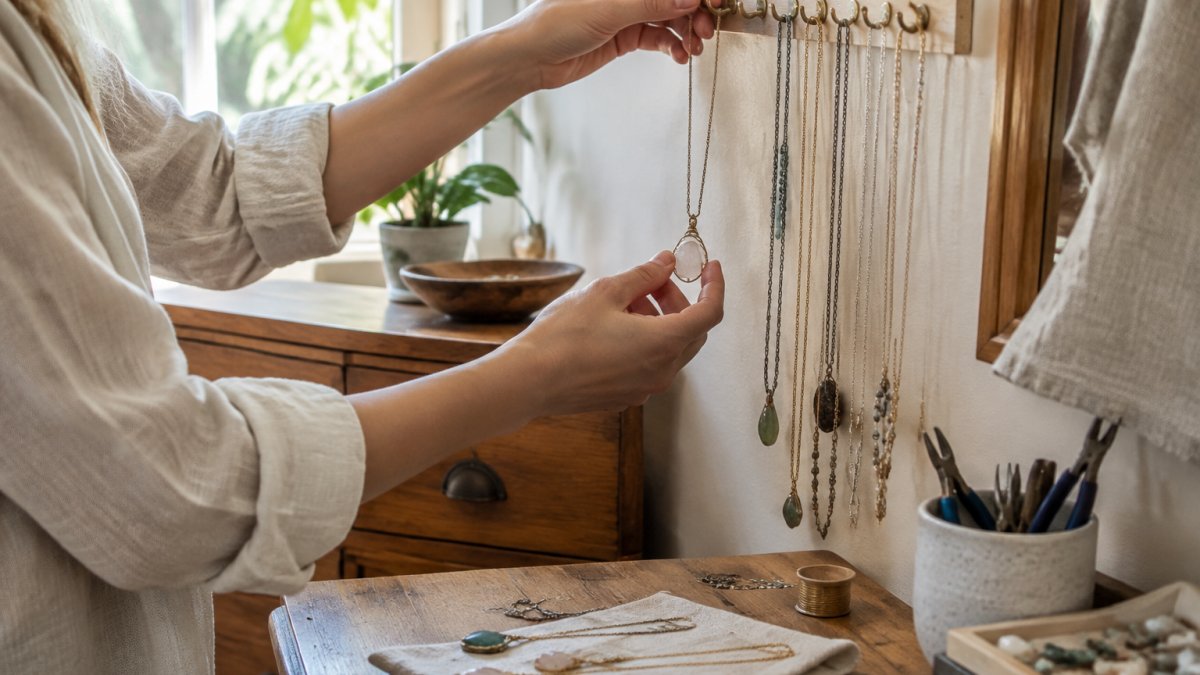
Wall Hooks, Pegboards, and Hanging Organizers
Individual wall hooks and a small pegboard turn empty wall space into a necklace organizer. Hang each chain vertically by its clasp so it drops straight and stays tangle-free.
This setup suits longer and heavier necklaces best. It also keeps pieces in view, which makes choosing an outfit easier and stops you from stuffing everything into one pile.
Divided Trays, Soft Pouches, and Sealed Bags
A divided tray with soft padding works well inside an existing drawer. Give each necklace its own compartment, lay chains flat, and use a soft pouch for anything fragile.
How to Store Jewelry Safely at Home
Storing jewelry safely at home comes down to three controls: keep pieces apart, keep them dry, and keep them out of direct light. Moisture and light exposure speed up tarnishing and oxidation, especially on silver and copper-based wire.
A lined drawer in a bedroom works better than a bathroom shelf. Steam from showers raises humidity, and humidity is the quiet enemy of any chain. Keep a small pouch of silica gel near your tray if your space runs damp.
- Store each necklace separately to prevent chain tangling
- Keep pieces away from windows and direct sun
- Avoid hanging delicate chains where they can snag on clothing
- Check clasps and jump rings every few months for looseness
Watch out: hanging a heavy pendant from a single fine hook for months can stretch the chain where the pendant attaches. Rotate heavy pieces or store them flat instead.
Matching Storage to Chain Length, Weight, and Material
Match storage to chain length, chain weight, and material, not to whatever box is on sale. Long chains need vertical space or a wide flat tray. Heavy necklaces need support under the pendant. Delicate chains need their own compartment, full stop.
| Chain Type | Best Storage Method | Why It Works |
|---|---|---|
| Delicate fine chain | Soft pouch or separate compartment | Stops snagging and knotting |
| Long chain, 24 inches and up | Hanging organizer or wall hook | Avoids folds and kinks |
| Heavy pendant necklace | Flat cushioned tray | Supports the pendant's weight |
| Beaded necklace | Lay flat, padded surface | Prevents bead-to-bead rubbing |
| Wire-wrapped piece | Padded pouch, stored flat | Protects the wire settings |
Storage by Artisan Material: Gemstones, Wire-Wrap, and Beads
Gemstones, wire-wrapped settings, and beaded strands each need slightly different handling. Natural stones can scratch softer stones, so keep harder pieces from rubbing against softer ones. Wire-wrapped pendants should lie flat so the wire does not bend at the bail.
For deeper guidance, our guide on how to care for natural gemstones covers cleaning and handling stone by stone. If your collection includes wire-wrapped designs, how to clean wire wrapped jewelry without damaging it explains the safe routine.
Best Ways to Store Artisan Necklaces Long Term
The best ways to store artisan necklaces long term combine a sealed, dark, dry environment with a maintenance routine. Long-term storage is less about the container and more about consistency: check, clean, and re-pack on a schedule.
A routine every few months can help:
- Take each necklace out and check the clasp and wire settings
- Wipe metal with a soft dry cloth to remove oils
- Re-seal pieces in fresh zip-lock bags with the air pressed out
- Store the bags away from heat and humidity
- Note any loose stones or bent wire before they become a repair
Comparing Storage Methods: Pros, Cons, and What Fits Your Collection
Every storage method trades off protection, visibility, and space. The right choice depends less on the method itself and more on your necklace type, available space, budget, and how often you wear each piece. Use the comparison below as a decision guide rather than a ranking.
| Method | Pros | Cons | Best For |
|---|---|---|---|
| Wall hooks or pegboard | Tangle-free, visible, uses vertical space | Dust and light exposure; can stretch delicate chains | Long, heavy necklaces worn often |
| Divided tray in a drawer | Flat, padded, organized, out of light | Takes drawer space; limited capacity | Mixed daily-wear collections |
| Soft pouch per piece | Protects delicate and wire-wrapped pieces | Hides contents; easy to lose track | Fine chains, wire-wrap, travel |
| Sealed bag with anti-tarnish strip | Limits tarnish, dust, and moisture | Less breathable; can dry pearls | Long-term and seasonal storage |
| Jewelry box with layers | Portable, layered, protects from light | Limited capacity; can crowd pendants | Small collections and travel |
| Pegboard or slatwall (for sellers) | Fast visual inventory; display-to-storage workflow | Dust exposure; needs wall space | Artisan inventory and market prep |
Decide by Necklace Type
Match the method to the piece, not the other way around. Delicate fine chains and wire-wrapped pendants belong in individual pouches or compartments, laid flat. Long chains 24 inches and up need vertical space or a wide tray so they do not kink. Heavy pendants need support under the pendant, either flat in a cushioned tray or hung from a hook rated for the weight. Beaded and hand-knotted strands should lie flat on a padded surface.
Decide by Space and Budget
If you have empty wall space, a row of individual hooks or a small pegboard costs little and keeps long pieces straight. If drawer space is available, a divided tray with soft padding is the most protective option for a mixed collection. If neither is available, a stack of soft pouches in a lidded box works and travels well. A compact jewelry box with a velvet interior does the job of a tray and a pouch at once for small collections.
Decide by Frequency of Use
Pieces worn weekly benefit from visibility and easy access, so hooks or an open tray make sense.
Decide by Travel and Inventory Needs
For travel, a compact jewelry box with a velvet interior protects pieces in transit.
Watch out: hanging a heavy pendant from a single fine hook for months can stretch the chain where the pendant attaches. Rotate heavy pieces or store them flat instead.
Choosing a Jewelry Box for Your Handmade Pieces
Choose a jewelry box with a soft lining, separate compartments, and enough depth for your pendants. A two-layer design keeps necklaces apart from earrings and rings.
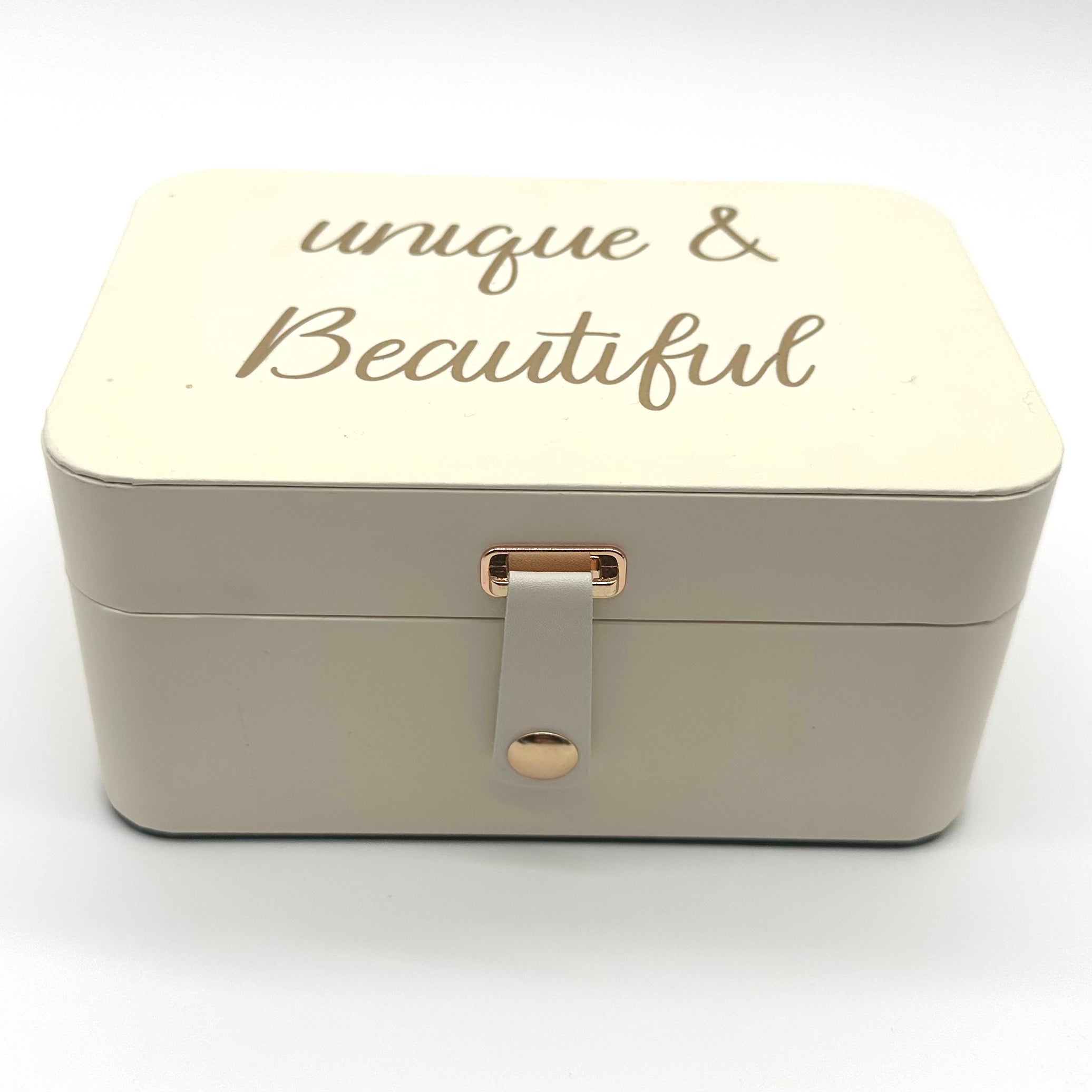
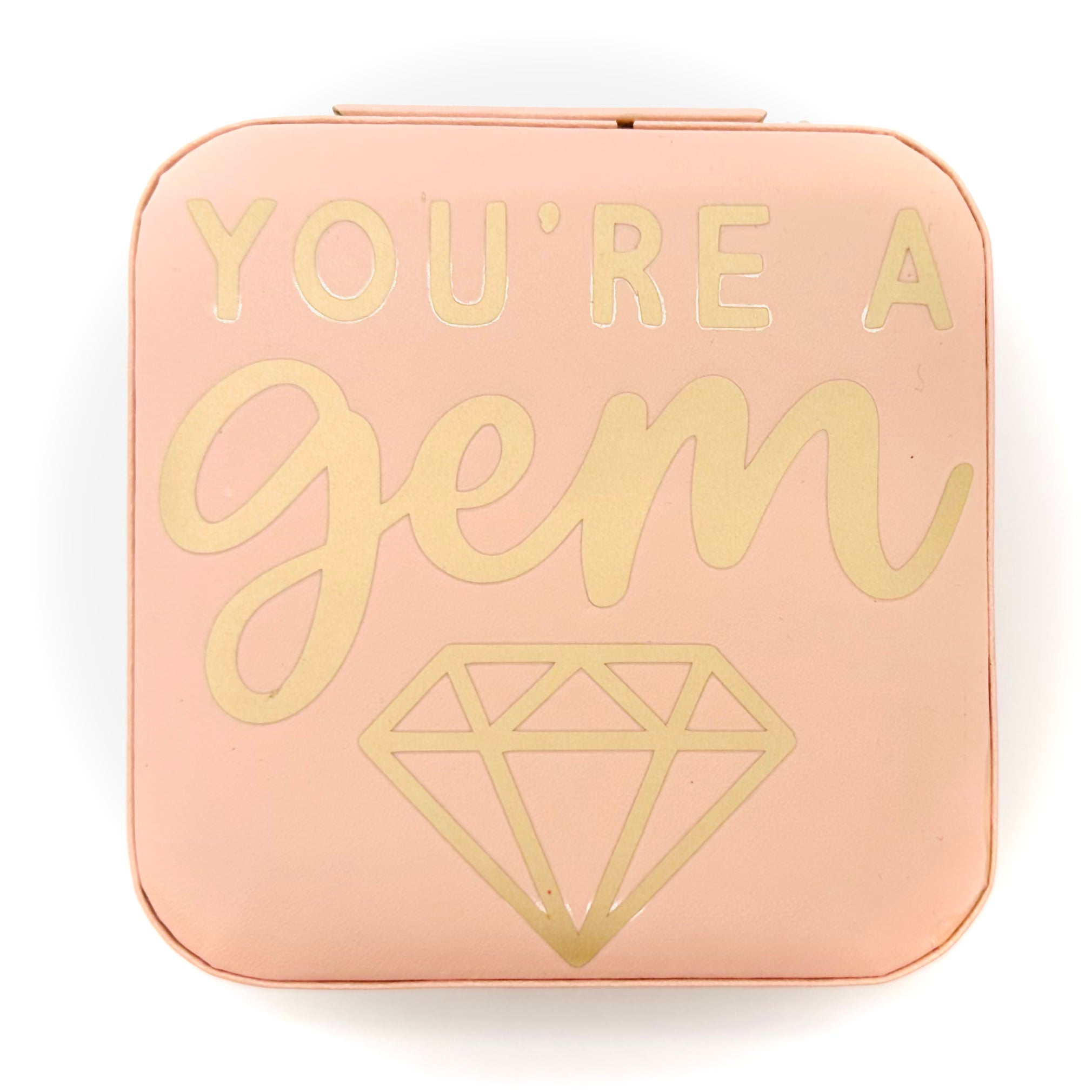
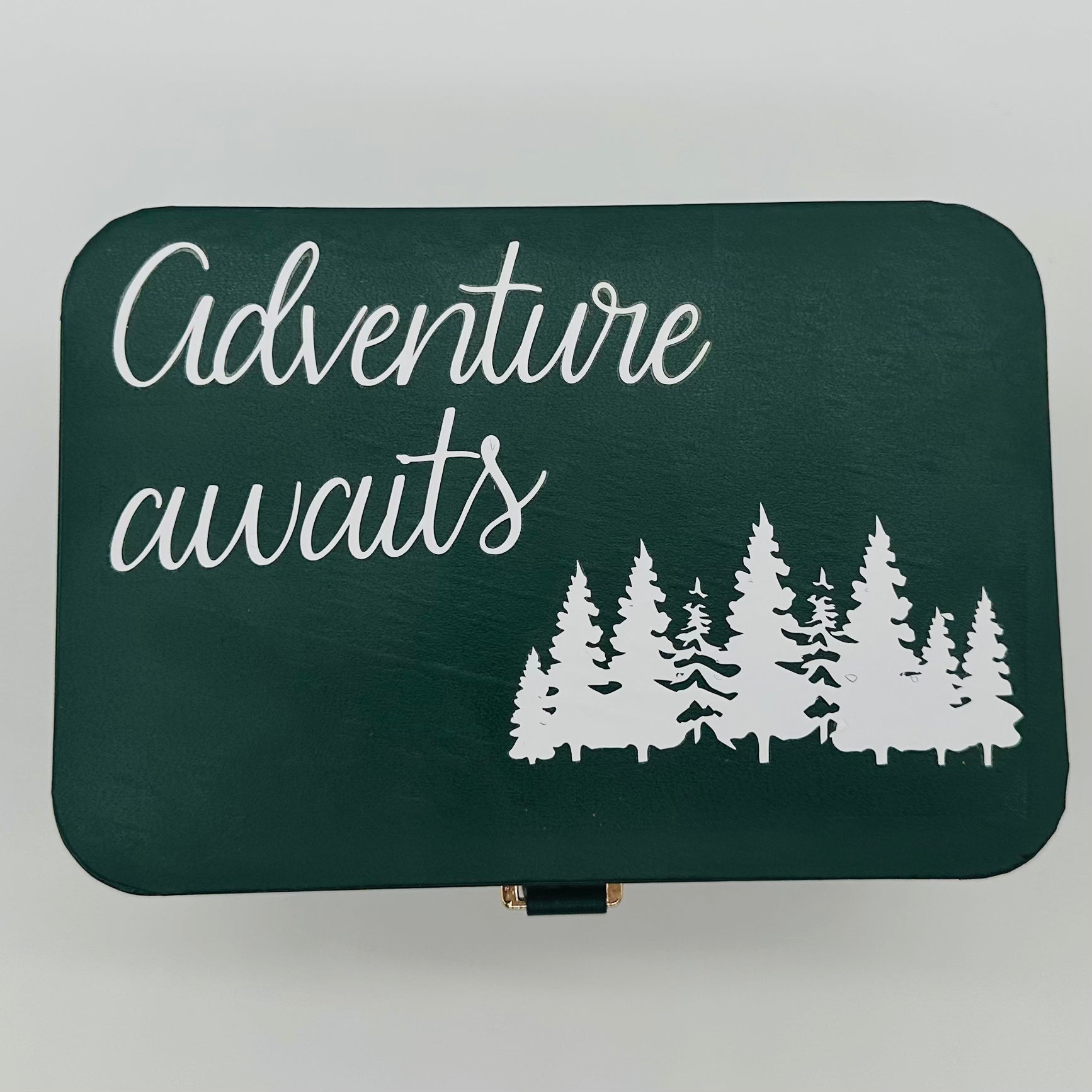
Our Unique & Beautiful Jewelry Box has two layers and a cream velvet interior, sized at 6.3 inches long, 4.6 inches wide, and 3 inches deep, so it holds necklaces, earrings, and rings without crowding. The Adventure Awaits Jewelry Box offers a two-layer layout in forest green. For a lighter option, the You're A Gem mini Jewelry Box is a compact 3.93 by 3.93 by 5 inches, ideal for a few favorite pieces on the go.
Whichever you pick, close every clasp, lay chains flat, and give delicate pieces their own space. That is what keeps handmade necklaces looking new.
Your artisan necklaces deserve storage that protects the wire, the stones, and the chain. Jasper Rain Designs handcrafts one-of-a-kind pieces inspired by the outdoors, and we want each one to stay beautiful for years. Our jewelry boxes feature velvet interiors, layered compartments, and travel-ready sizes that keep necklaces tangle-free. Browse our handmade pieces and find the box that fits your collection.
Frequently Asked Questions
What is the best way to store a lot of necklaces without tangling?
Hang as many as your space allows on individual wall hooks or a pegboard so each chain keeps its own lane. For the rest, lay them flat in a divided or cushioned tray with one necklace per compartment. Fasten every clasp before storing, and keep delicate chains apart from heavy pendants. This combination keeps chains separated, makes pieces easy to grab, and prevents the pile-up that causes most tangles.
Is it better to store necklaces in a jewelry box or hang them?
Both work, and the choice comes down to your space and chain types. Hanging keeps long and delicate chains from kinking and gives you fast access. A jewelry box with a velvet-lined interior, like the two-layer boxes at Jasper Rain Designs, suits pendants, rings, and shorter chains. Many collectors hang their everyday pieces and box the rest.
How should you store gemstone and wire-wrapped necklaces?
Keep gemstones out of direct sunlight and away from humid spots like bathrooms, since moisture and light speed up tarnishing and can dull stones. Store wire-wrapped pendants flat or hanging so the wirework is not crushed under other pieces. A soft pouch or a velvet-lined compartment cushions the wrap and keeps the chain from snagging on it. Check clasps and wire ends every few months for looseness.
How do you store artisan necklaces long term?
Clean and fully dry each piece first, then fasten the clasp and lay it flat in a sealed bag or a lined box with tissue or foam between layers. Add a tarnish-inhibiting strip if your pieces are sterling silver. Keep the box in a cool, dry, dark spot, not an attic or bathroom. Review the collection every few months, and re-check wire wraps and clasps so small repairs do not turn into lost stones.


